
Why cry, Cameron Green? Learn to play spin, precisely with Usman Tariq


Cricket has always been a game of skill, temperament, and respect. That balance felt slightly disturbed during the second T20I between Pakistan and Australia, when the spotlight shifted from the contest itself to a moment that didn’t quite sit right with many fans.
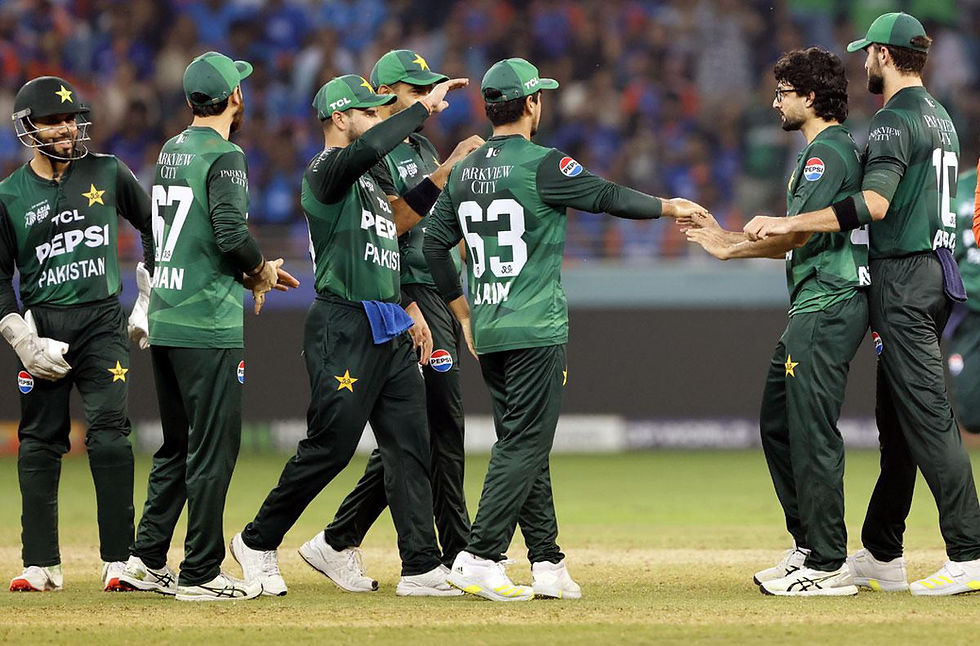
Cameron Green’s dismissal at the hands of Usman Tariq should have been just another turning point in a high-intensity T20I. Instead, it became a talking point for a different reason. After being dismissed, Green was seen mimicking Usman Tariq’s bowling action on the big screen, seemingly trying to suggest that the action was illegal.
What made this moment particularly troubling is a fact that cannot be ignored: Usman Tariq’s bowling action has already been cleared by the ICC — not once, not twice, but multiple times. His action has gone through the official scrutiny process, assessed under international regulations, and approved. That clearance stands unless formally reviewed again.
In international cricket, bowling actions are not judged by opposing batters or television replays. They are evaluated through biomechanical testing, expert analysis, and ICC protocols. Until those mechanisms raise a concern, a bowler’s action remains legal. Questioning it publicly, especially through on-field gestures, undermines the very system designed to protect the game’s integrity.
ronically, Usman Tariq had already made his statement the right way: with the ball. He dismissed Cameron Green cleanly, doing exactly what a bowler is supposed to do under pressure. No theatrics. No gestures. Just execution.
Pakistan cricket has often found itself on the receiving end of such controversies in the past, where questions are raised loudly before evidence is ever presented. That history makes moments like these harder to brush aside. Fans don’t just see a reaction — they see a pattern.
This isn’t about vilifying Cameron Green. He is a quality cricketer and competitive spirit is part of elite sport. But cricket demands responsibility with that competitiveness. If a player has genuine concerns about an action, there are formal channels to raise them. Turning it into a visual protest on broadcast only shifts focus away from the game and onto unnecessary controversy.
In the end, the scoreboard tells its own story.
Usman Tariq dismissed Cameron Green.
The umpires raised no objections.
The match went on.
And perhaps that’s where this debate should rest — unless, of course, authorities decide otherwise. Until then, performances should speak louder than gestures, and cricket should remain a contest of skill, not insinuation.
Because in international cricket, accusations need evidence — not expressions.


Comments