
Salman Butt questions Salman Agha’s tactical blunders after toss strategy backfires


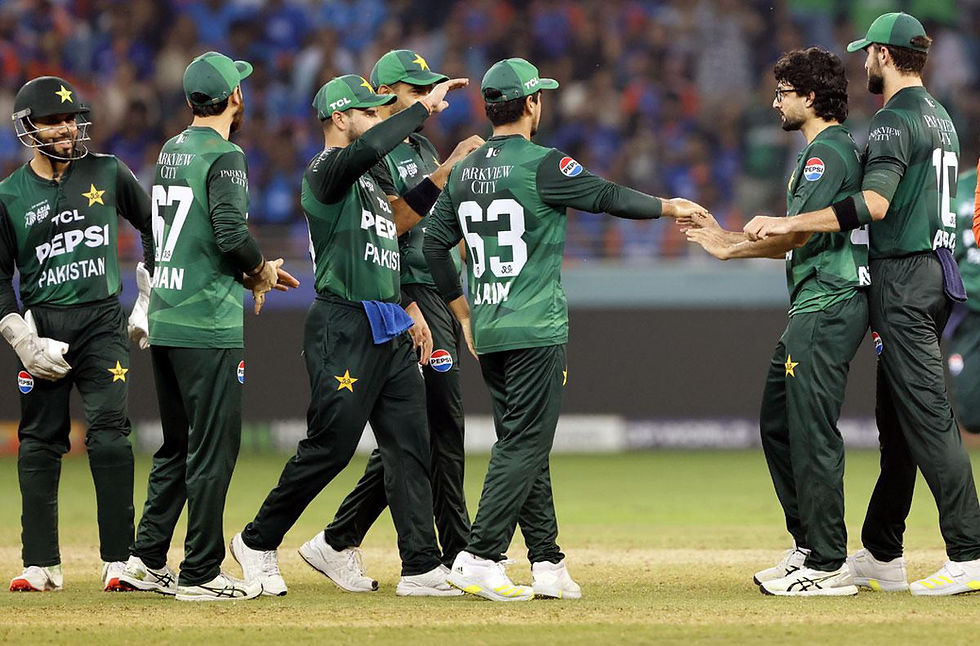
Former Pakistan captain Salman Butt has launched a detailed critique of Pakistan’s tactical approach in their high-profile clash against India, questioning the team’s decision-making after winning the toss on a slow surface.
Speaking during an online discussion, Butt said Pakistan misread the conditions despite openly acknowledging that the pitch was slow and likely to assist spin.
“You win the toss and say the pitch is slow,” Butt remarked. “India remove a pacer like Arshdeep and bring in an extra spinner, Kuldeep Yadav, because they understand the conditions. On a slow pitch, it only gets slower — it doesn’t suddenly become faster.”
Butt questioned why Pakistan opted to invite India to bat first despite being aware of their struggles while chasing targets in recent matches.
He pointed out that during a recent tour of Australia, Pakistan won three tosses and chose to bat first each time rather than chase, suggesting the team has lacked preparation for handling pressure while chasing totals.
“You already know your situation in a chase is not strong,” he said. “Then why, in a big match against a big team, do you invite them to bat first?”
The former opener also dissected Pakistan’s bowling and field settings against India’s top order, particularly wicketkeeper-batter Ishan Kishan.
Butt argued that Kishan’s recent form showed he was strong against deliveries on the leg side, yet Pakistan persisted with leg-side lines and defensive field placements.
“You bowl on his legs, keep square leg and short fine inside the circle, and allow him easy scoring options,” Butt said. “Your leg-spinner starts outside the leg, your mystery spinner does the same, and then your fast bowler bowls short of a length.”
He highlighted that boundaries were conceded early, with two sixes and a four coming in quick succession, putting Pakistan under immediate pressure.
“That means you came under pressure straight away because of poor awareness,” Butt stated, emphasizing that tactical miscalculations at the start of the innings set the tone for the rest of the match.
Butt concluded by stressing that such decisions ultimately fall on the captain and team management, suggesting that clearer planning and situational awareness are essential in high-stakes encounters.
His remarks add to the growing chorus of former cricketers publicly questioning Pakistan’s tactical direction and on-field decision-making in crucial matches.


Comments