
‘Pressure is created by spectators, not inside the team’: Usman Tariq breaks silence after India defeat


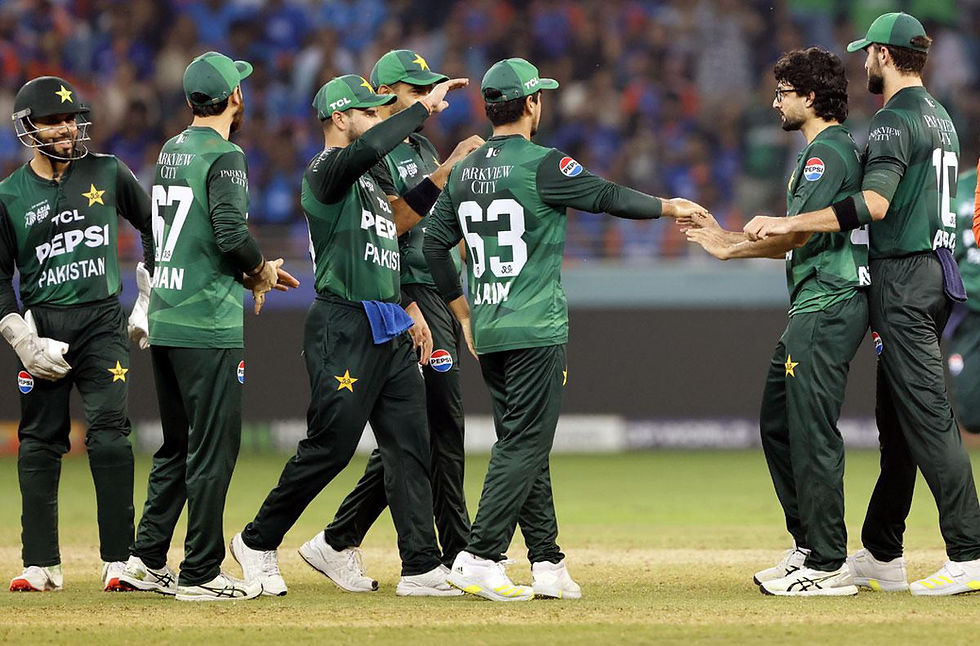
Pakistan’s emerging pacer Usman Tariq has dismissed suggestions of panic within the dressing room following the high-profile defeat to India, insisting that the narrative of “pressure” is largely driven by outside noise rather than internal turmoil.
Speaking at a post-match press conference, Usman addressed a wide range of questions — from team strategy and criticism of senior players to his own performance and growing spotlight — in what turned out to be a candid and composed interaction.
“Pressure Is Created by Spectators”
Responding to questions about mounting expectations and possible changes ahead of the final group match, Usman made the most striking comment of the session.
“This pressure is created by all our spectator modes, by all of us,” he said. “People think there is a lot of pressure and panic. But in the team, I have never felt that there is a lot of pressure.”
He emphasized that defeats are part of the game and that the squad remains focused on correcting mistakes rather than dwelling on criticism.
“Every win and loss is part of the game. Right now, we have the opportunity — it’s about how we cash it.”
On Learning from Mistakes
Reflecting on the defeat to India, Usman admitted that lapses were identified during the team meeting and would be addressed before the next fixture.
“The difficulty comes when you don’t pinpoint your mistakes and work on them,” he explained. “We’ve discussed where our lapses were and we will make sure those mistakes don’t happen again.”
He clarified that the post-match meeting focused on revising tactical errors rather than emotional speeches, dismissing suggestions that morale had collapsed.
Backing Babar and Shaheen
Amid criticism directed at senior players like Babar Azam and Shaheen Afridi, Usman firmly backed the experienced duo.
“One game doesn’t show their capability or calibre,” he said. “They have won many games for Pakistan. They are the most senior players at the moment and they know how to retrieve their form.”
He rejected the idea that their confidence had been shattered, calling poor outings “part of the game.”
On Personal Pressure and Late Introduction
Usman, who was introduced later than expected during the India clash, avoided questioning team strategy and reiterated his commitment to executing assigned plans.
“As far as pressure is concerned, it’s a normal thing that a human being feels. The main thing is how to overcome it,” he said.
He admitted that he did not consider his performance “up to the mark” but remained optimistic about future opportunities.
“I was feeling this match as a big opportunity where I could gain a big name. I tried my level best. If I get another chance, I would love to do much better.”
Inspired by Dhoni’s Journey
In a revealing moment, Usman shared that former India captain MS Dhoni played a major role in inspiring his return to professional cricket.
“I was also doing a job. He was also doing a job. His story felt similar,” Usman said. “I felt maybe I can also go on the same pathway. But for that, a lot of hard work is required.”
On India’s Preparation Against Him
Usman acknowledged that Indian batters appeared focused on neutralizing him rather than attacking recklessly.
“They were quite focused. They wanted not to give me a wicket,” he observed. “I couldn’t get a wicket, but I didn’t concede many runs either. That was beneficial for the team.”
He downplayed reports that Indian players replicated his bowling action in nets, calling it standard preparation rather than a personal achievement.
“These are preparations every team does. It’s a team game.”
Focus on the Bigger Goal
When asked about preferred opponents in a potential final, Usman refused to engage in rivalry narratives.
“Our goal is to play the final and win it — for the nation’s happiness,” he said. “It’s not about who the opponent is.”
As Pakistan prepares for its crucial remaining fixture, Usman’s comments reflect a dressing room attempting to shield itself from public scrutiny while quietly recalibrating its approach. Whether that composure translates into results remains to be seen, but one thing is clear — at least from inside the camp, panic is not part of the vocabulary.


Comments