
“Pakistan boycotting India over Bangladesh is a stand against BCCI bullying, former PCB chairman Najam Sethi

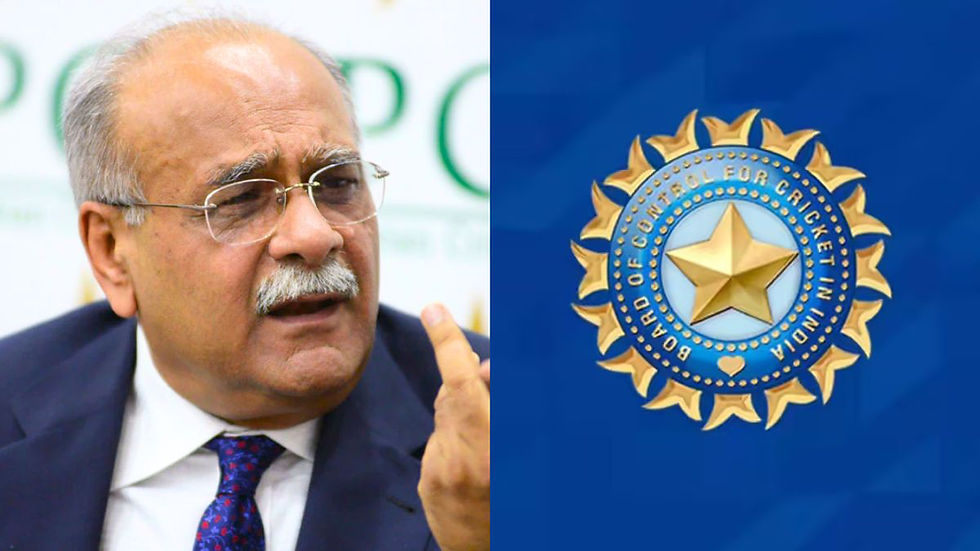
Former Pakistan Cricket Board (PCB) chairman Najam Sethi has strongly defended Pakistan’s reported decision to boycott an India match, framing it as a principled stand against what he calls the BCCI’s long-standing bullying and the ICC’s inequitable power structure.
Speaking during a discussion hosted by journalist Nikhil Naz, Sethi clarified that he was not speaking on behalf of the PCB, but offering his personal view on the political and cricketing implications behind Pakistan’s move.
“I’m not a spokesman for the PCB. I’m giving you my view,” Sethi said.

Sethi suggested that the decision was not rooted in historic India–Pakistan tensions, but rather tied to Bangladesh-related developments, hinting at diplomatic and cricketing solidarity.
“What’s the need for Pakistan to boycott an India match when the issue really now is Bangladesh?” he questioned, noting that Pakistan had previously continued playing India even when it felt most aggrieved.
He revealed that the PCB had consulted the Pakistani government, and that negotiations are currently ongoing, expressing hope that talks could still lead to a resolution.
The former PCB chief launched a sharp critique of the BCCI, accusing it of intimidating smaller boards and exerting excessive influence over ICC policy.
“At every stage, they’ve been bullying people. That’s the problem — the attitude of the BCCI,” Sethi said.
He argued that Pakistan was once isolated in resisting India’s influence, but now Bangladesh and others are also feeling sidelined, creating a united front.
“Now at least Bangladesh has also been snubbed. We feel there are now 400 million people on one side — so we can stand up together.”
Sethi revisited the controversial “Big Three” ICC power model, revealing that Pakistan initially refused to join, calling it “inherently inequitable.”
He claimed Pakistan eventually agreed only after assurances of revised revenue shares and a compensatory bilateral series — promises he says were later broken by the BCCI.
“A year later, on the eve of the series, the BCCI pulled out without a word. We even went to Mumbai to finalize the deal — and they refused to meet us.” Sethi concluded by framing the current Pakistan–Bangladesh stance as part of a larger push to reform ICC governance, even if it comes with short-term financial or political losses.
“This is the time to stand up. There may be temporary losses, but in the end, we’ll get a more reformed ICC,” he said.


Comments