
Politicians in India and Pakistan respond to Pakistan’s decision to boycott India match

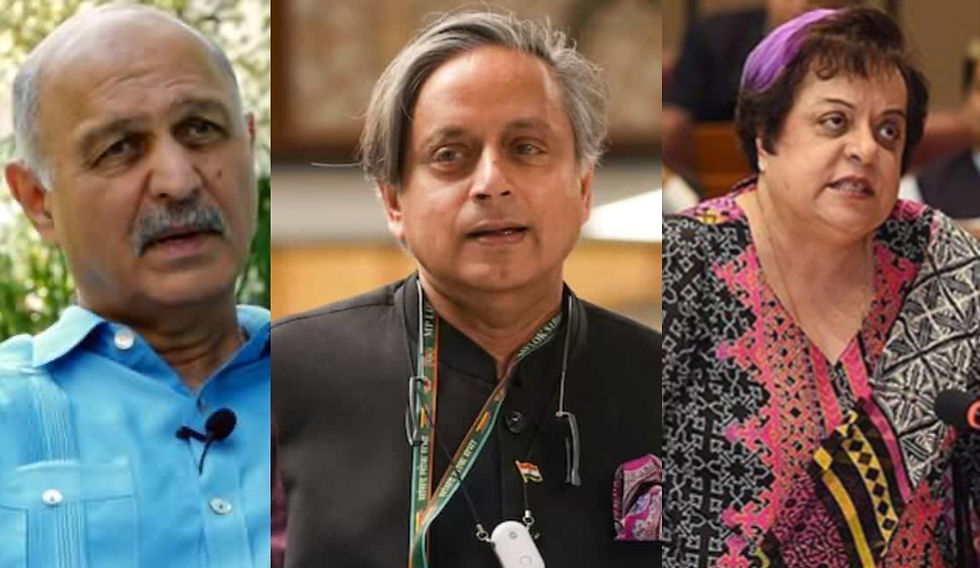
Former senator Mushahid Hussain welcomed the announcement, praising the Pakistan Cricket Board (PCB) for showing solidarity with Bangladesh.
In a post on X, he wrote:
“Good decision by the PCB. After the blatant double standards shown by the ICC during the Cricket World Cup, when India refused to play in Pakistan and the ICC unconditionally gave in, it is disappointing that Bangladesh was denied a similar request for a venue change in India.”

Indian National Congress MP Shashi Tharoor has strongly criticised the growing politicisation of cricket following Pakistan’s decision to boycott its match against India in the ICC Men’s T20 World Cup 2026.
Speaking on the development, Tharoor described the situation as “disgraceful,” stating that sport has been dragged into political disputes by both sides. He expressed concern over how cricket, which holds deep emotional value for millions across South Asia, is being affected by diplomatic tensions.
“It is pretty disgraceful that sport has been politicised in this way on both sides,” Tharoor said. He also referred to the recent controversy involving Bangladeshi cricketer Mustafizur Rahman, who was denied his contract to play in Kolkata, calling it “most unfortunate.”
Tharoor noted that Bangladesh’s reaction to the incident was an “overreaction,” but said it reflected the broader political climate in the region. He added that Pakistan’s stance appears to be an attempt to show solidarity with Bangladesh, further escalating the situation.
“Pakistan is trying to show its solidarity with Bangladesh. This whole thing is spiralling out of control,” he remarked.
Emphasising the unifying power of sports, Tharoor urged all parties to separate politics from cricket. He stressed that the game should serve as a bridge between nations rather than becoming another battleground for political disputes.
“Sports, especially a sport like cricket which means so much to all the people, should be a means of bringing us together on the playing field,” he said.
Calling the situation a “wake-up call,” Tharoor appealed to concerned authorities to engage in urgent dialogue. He suggested that the International Cricket Council (ICC) could play a central role in facilitating discussions and resolving the matter.
“I honestly think this is now a wake-up call for all concerned to contact each other on an emergency basis. The ICC could be the platform for it,” he added. “Let’s call off this nonsense. You can’t go on like this forever.”
The controversy has sparked widespread debate among cricket fans and analysts, with many expressing disappointment over the impact of political tensions on one of the world’s most popular sporting rivalries. As the T20 World Cup approaches, pressure is mounting on cricketing authorities to find a diplomatic solution and ensure that the tournament remains focused on the spirit of competition and unity.

Former Pakistani federal minister Shireen Mazari has strongly criticised the International Cricket Council (ICC), accusing it of bias and alleging undue Indian influence in global cricket affairs amid the ongoing controversy over Pakistan’s boycott of its match against India.
In a post on social media platform X, Mazari claimed that the ICC was losing its credibility as an independent governing body and was increasingly serving India’s interests.
“The ICC is fast deteriorating into the Indian Cricket Council, promoting Indian bullying – time for some restructuring,” she wrote.

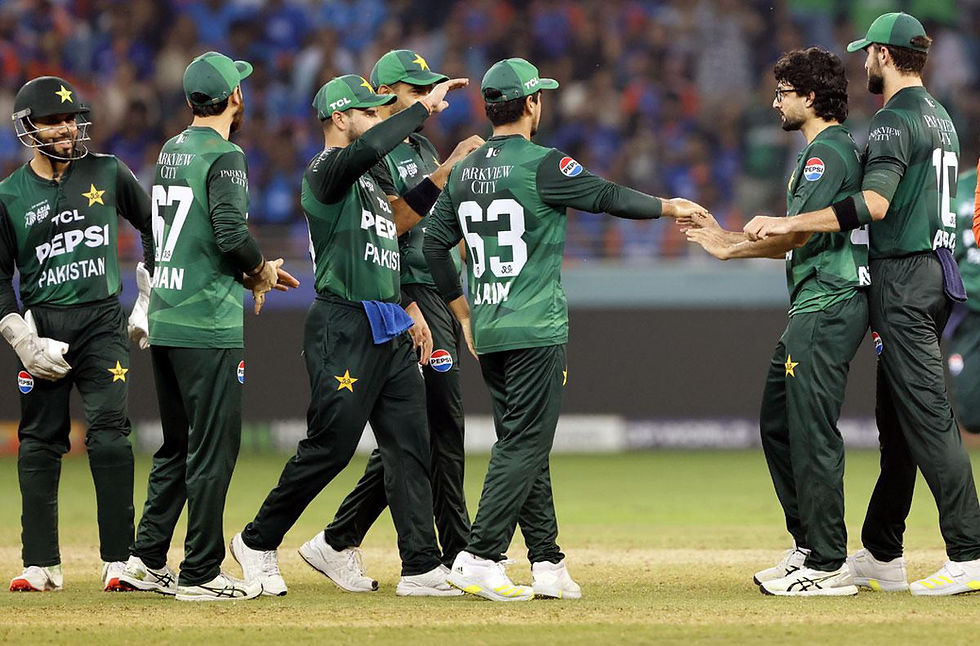
Her remarks come at a time when tensions between India and Pakistan have once again spilled over into the sporting arena, with Pakistan opting to forfeit its highly anticipated clash against India in the ICC Men’s T20 World Cup 2026. The decision has triggered widespread debate across the cricketing and political landscape.
Mazari’s comments reflect growing concerns among Pakistani politicians and former officials who believe that the ICC has failed to act impartially in matters involving major cricketing nations. Critics argue that powerful boards, particularly the Board of Control for Cricket in India (BCCI), exert disproportionate influence over international cricket’s financial and administrative decisions.


Comments