
Adam Zampa explains the reason for preferring PSL over IPL

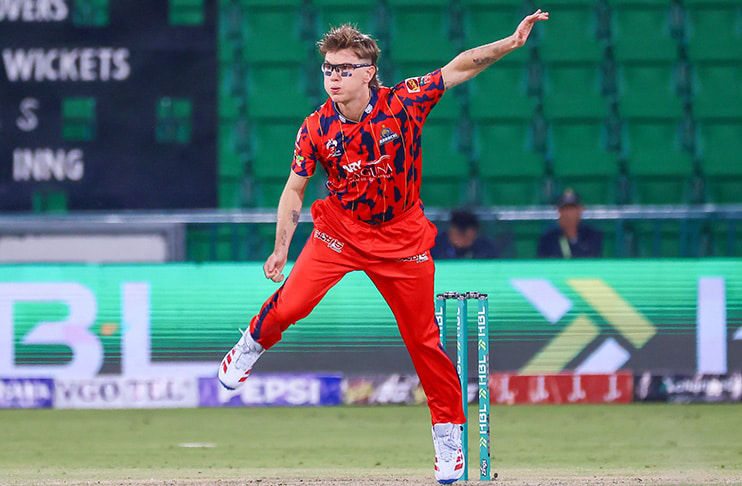
In a surprising development ahead of the T20 season, Australian leg-spinner Adam Zampa has opted out of the Indian Premier League (IPL) 2026, citing dissatisfaction with the financial rewards offered to players of his skill set.
Zampa, who previously represented Sunrisers Hyderabad, revealed that the decision was driven by a mismatch between the league’s demanding two-month schedule and the compensation he received. Despite being picked for INR 2.40 crore in the previous mega auction — his highest IPL contract — the leg-spinner admitted he never felt adequately valued.
“For someone with my skill set, I just don’t get the money that is there for other skill sets,” Zampa said in a recent podcast interview. “For the amount of time the IPL takes, it just didn’t seem like a reasonable choice for me.”
Having featured in five IPL seasons since 2016, Zampa has struggled for consistency in team selections, making just 22 appearances across four franchises. His limited game time further contributed to his decision to step away from the world’s most lucrative T20 competition.
Instead, the 33-year-old has committed to the Pakistan Super League (PSL) 2026, where he is representing Karachi Kings. The franchise, led by Australian opener David Warner, secured Zampa’s services for PKR 4.5 crore — a deal that appears to better align with his expectations.
Zampa’s move comes amid growing competition between the IPL and PSL, with overlapping schedules forcing players to choose between the two leagues. While the IPL has long been regarded as the financial powerhouse of franchise cricket, Zampa’s comments highlight a nuanced reality — not all players benefit equally from its riches.
For the PSL, however, this represents a significant boost. Securing an experienced international spinner like Zampa strengthens the league’s quality and reinforces its appeal as a viable alternative for players seeking both opportunity and fair compensation.
As franchise cricket continues to evolve, Zampa’s decision may spark broader discussions about pay structures, player roles, and the balance between workload and financial reward across global T20 leagues.


Comments